
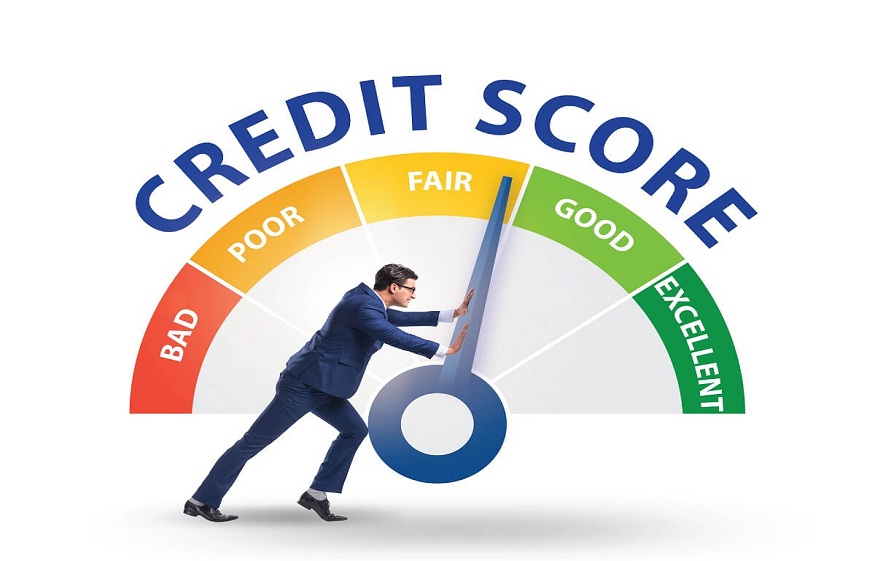
Kavan Choksi Discusses Steps to Follow to Improve Credit Score
A person’s credit score plays a crucial role in determining their financial opportunities. It influences not only their ability to secure a loan or obtain a credit card but also the interest rates and repayment terms they may be offered. As Kavan Choksi mentions, one’s credit score can impact other areas of life as well, like the ability to rent a home, qualify for certain jobs, or even obtain insurance coverage. A credit score is essentially a numerical representation derived from the details contained in an individual’s credit report. This report serves as a comprehensive record of a person’s financial behavior.
Kavan Choksi highlights steps to follow to improve credit score
A high credit score opens doors to a wide range of financial benefits, including easier approvals and more favorable borrowing terms. On the other hand, a low score can limit access to credit and result in higher costs or outright rejection. Improving one’s credit score, therefore, important to gain easy access to financial products. High credit score also demonstrates discipline and responsibility, qualities that can positively influence other areas of life. Landlords, insurers, and employers may interpret a good credit history as a sign of trustworthiness, making it easier for individuals to secure housing, reduce insurance expenses, and enhance career prospects.
Read More: How Automation Is Changing the Way We Manage Monthly Bills
Here are a few steps that can help improve credit score:
- Check credit report: Reviewing one’s credit report is the first essential step. Individuals are typically entitled to access their reports from major credit bureaus on a yearly basis. By carefully examining the report, they can identify inaccuracies such as incorrect balances, outdated payment records, or accounts that do not belong to them. Addressing these errors through formal disputes can lead to meaningful improvements in the credit score.
- Dispute any errors on the credit report: Correcting errors on the credit report is an ongoing responsibility. If discrepancies are found, individuals should promptly contact the relevant credit bureau with supporting documentation and have the errors rectified.
- Pay bills on time: Timely payments are one of the most significant factors influencing credit scores. Late or missed payments can have a damaging effect, though their impact gradually lessens over time. Establishing consistent payment habits through reminders, automated systems, or budgeting can go a long way in building a reputation of reliability in the eyes of lenders.
- Reduce credit utilization ratio: A high utilization ratio can signal financial stress, whereas maintaining a lower ratio reflects responsible credit management. Reducing outstanding balances, avoiding excessive spending, and keeping usage below recommended thresholds can significantly enhance one’s credit profile.
- Avoid opening new credit accounts: While it might seem beneficial to open new credit accounts to diversify credit types, doing so frequently can have the opposite effect. Each new application results in a hard inquiry, which can temporarily lower the score. Instead, one should focus on responsibly managing their existing accounts and allowing their credit history to mature over time.
Read More: Gratuity + PF + Pension: How to Combine All for a Secure Retirement
In the opinion of Kavan Choksi, improving a credit score is not an overnight achievement but a long-term commitment. By maintaining disciplined financial habits, monitoring progress regularly, and making informed decisions, individuals can steadily enhance their credit standing.
